

What is a Capstone Project?
A capstone project attempts to solve a real problem through applied research. It challenges students to apply what they learn in the classroom to real world problems individually or in a group.
As the final step in their program, capstone projects bring together classroom knowledge and practical experience, giving students a strong foundation for future careers or further study.
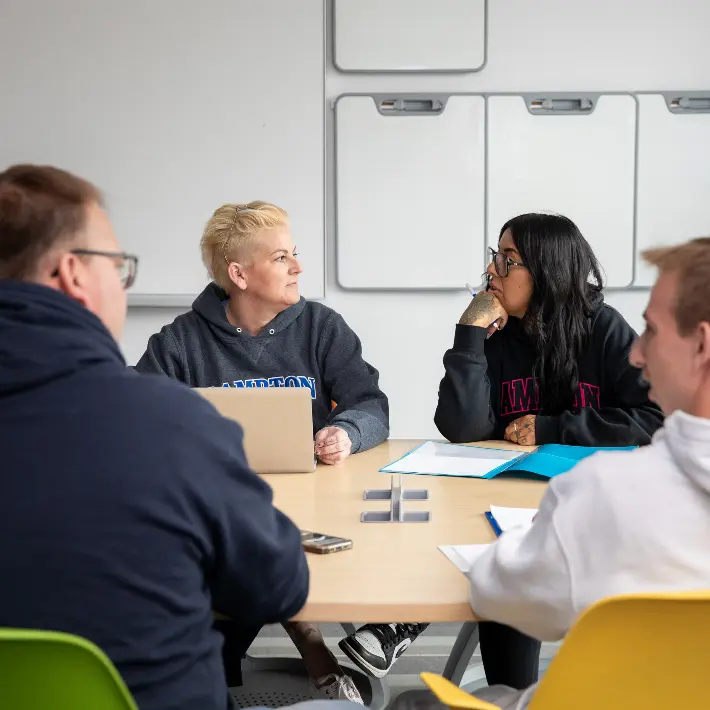
Benefits of a Capstone Project
- Integrated Learning: Combine knowledge from your entire program to tackle a complex, real-world challenge
- Teamwork & Leadership: Develop project management and collaborative skills in a multi-disciplinary environment
- Problem Solving: Gain experience in diagnosing, analyzing, and providing solutions for industry-relevant problems
- Professional Portfolio: Create a capstone project that serves as a concrete demonstration of your expertise for future employers
Capstone Projects
During the Innovation, Leadership, and the Future of Nursing course, BSNL students complete the last of three nursing research capstone projects. Students apply a critical lens and the perspective of a scholarly professional in the examination of trends and issues in nursing that are influencing the profession. Professional nursing roles, health care systems and nursing practice issues such as intra- and inter-professional collaboration, social justice, nursing regulation, and professional associations are just a few of the topics that learners can select to research and develop a plan for innovation, quality improvement and/or change. Integration of new, concurrent, and prior learning is essential for success.
Students will engage collaboratively in the research process by applying knowledge gained in the program to identify and investigate relevant research opportunities. They will select and critique emerging health‑related evidence to identify gaps, develop a research question, and design a study guided by appropriate theoretical and conceptual frameworks. Students will also examine ethical requirements, create a research timeline, participate in data collection and analysis, and effectively synthesize and communicate findings through abstracts, posters, or presentations.
- Explore the Honours Bachelor of Science - Nursing program
In their Community Organization course, SSWK students interview the public on what they believe the most pressing social is in the Sarnia Lambton Community. Student collate the responses to determine what response was most reflected. From there students research local agencies that provide service support to that specific social issue. Students learn more about each agency/funding/mission, vision, values and vote on their top 3 choices. Those 3 agencies are then invited to the classroom to present to the students - highlighting what they would use fund raised dollars or public awareness for. Students then vote and a community project recipient is determined by highest votes. Students then work in committees to raise funds and awareness in the community of both the social issue and the services provided by the community project recipient.
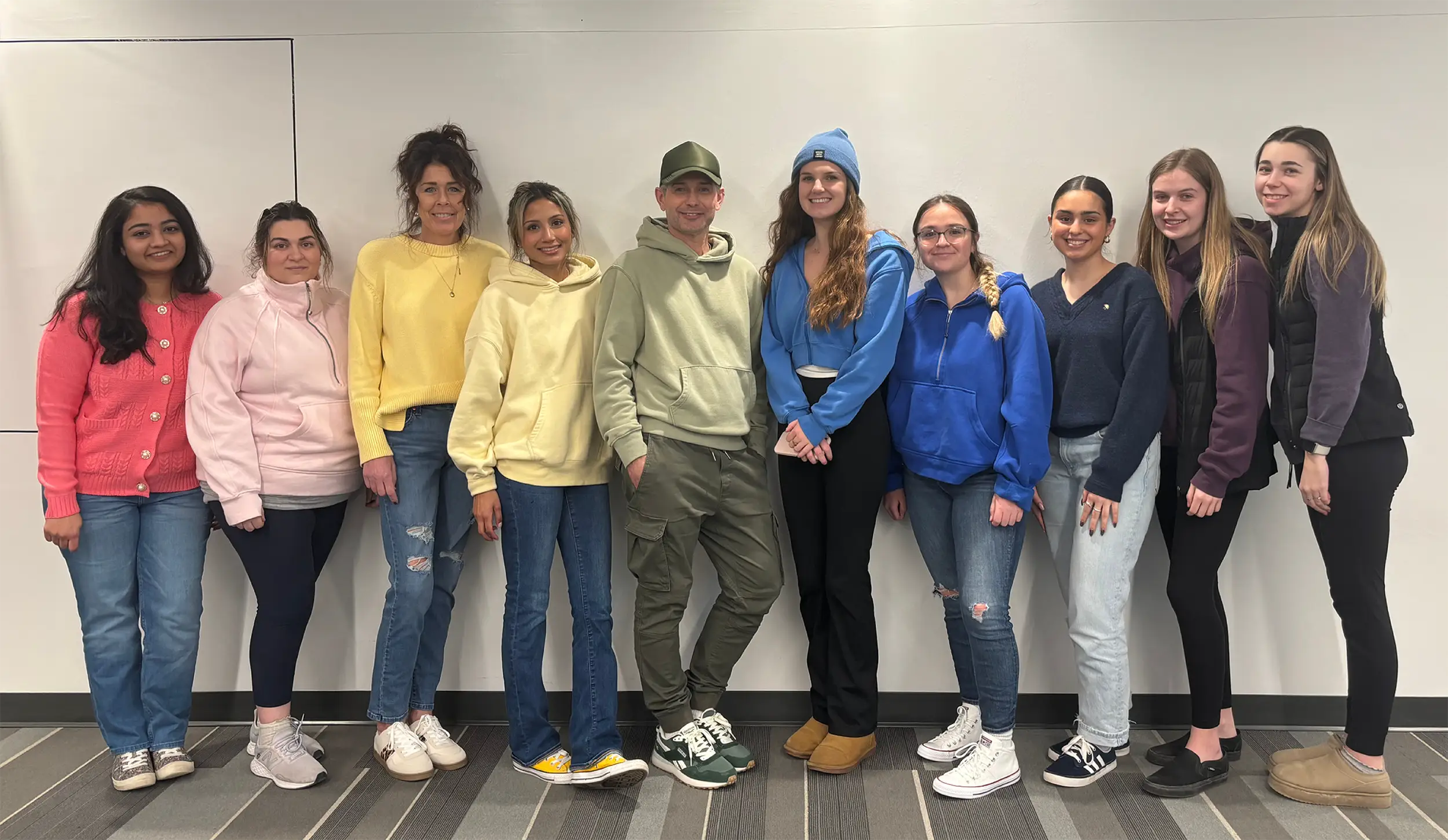
Social Service Worker students running events
At the completion of the project students are able to:
- Identify social problems and needs within a community context
- Assess the needs and resources of individuals, groups, and communities
- Describe different roles of a community developer
- Collaborate with communities and community leaders to advocate for systemic change.
- Explore the Social Service Worker program